
If you’ve ever experienced a severe toothache, your dentist might have mentioned the term root canal. But what exactly is a root canal treatment, and why is it necessary for some dental problems? Seeking care from the Best Root Canal Treatment in Manikonda ensures accurate diagnosis and effective pain relief. Let’s break down everything you need to know about this common dental procedure and why it is safely performed at the Best Dental Clinic in Manikonda.
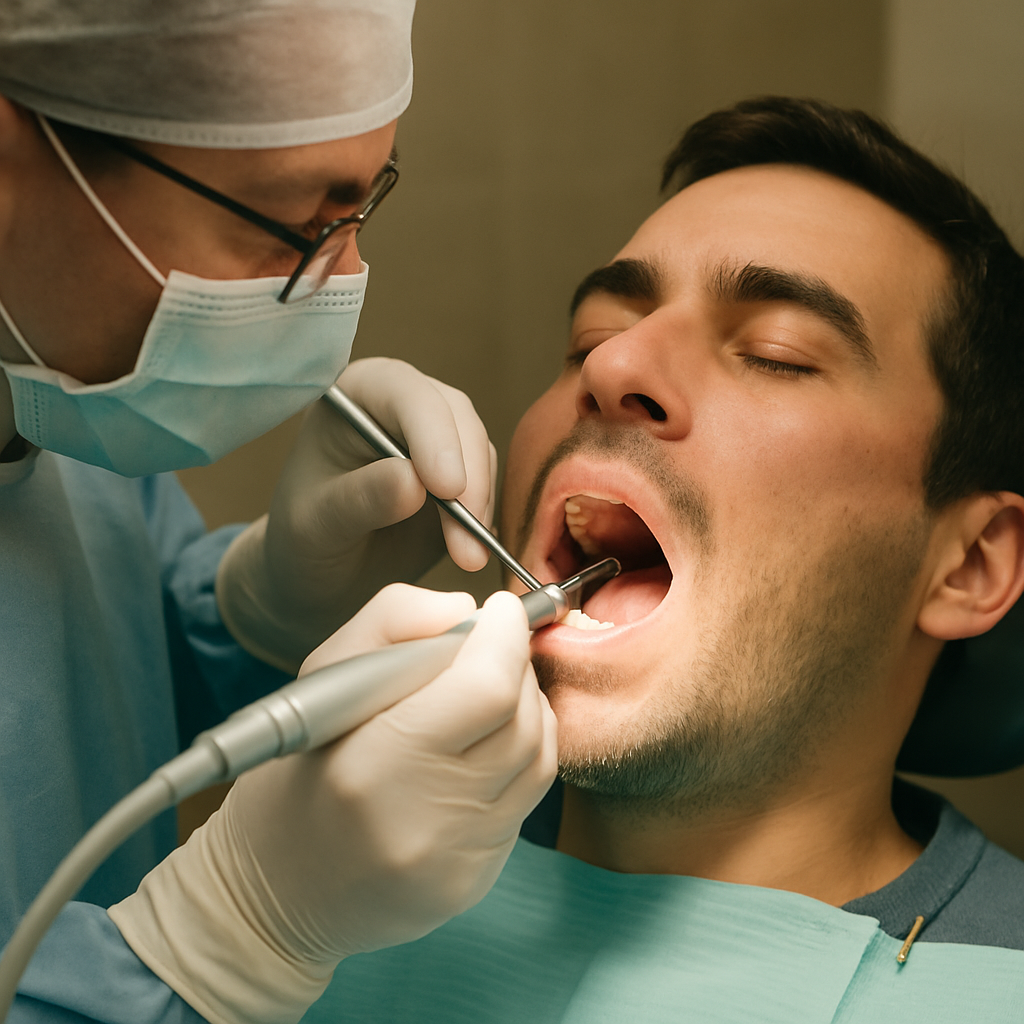
A root canal treatment is a dental procedure used to repair and save a tooth that is badly decayed or infected. This procedure becomes necessary when the tooth’s nerve and pulp become inflamed or infected, which can lead to severe pain, abscesses, and even tooth loss if untreated. The root canal procedure involves removing the infected pulp, cleaning the inside of the tooth, and sealing it to prevent further infection.
Root canal treatment is often misunderstood, with many fearing it unnecessarily. However, it is a routine procedure that can make the difference between saving a tooth and losing it. The goal is to preserve the natural tooth structure, which is crucial for maintaining oral health and proper function. Additionally, by addressing the source of infection, root canal treatment helps in preventing the spread of infection to surrounding tissues and other parts of the body
What Causes the Need for a Root Canal?
Several factors can lead to the need for a root canal treatment, including:
- Deep Decay: Cavities that have penetrated too deeply into the tooth can infect the pulp. When decay reaches the pulp, bacteria can infect the soft tissue, causing pain and swelling.
- Repeated Dental Procedures: Frequent dental work on the same tooth can irritate the pulp. Over time, this irritation can lead to inflammation or infection, necessitating a root canal.
- Cracked or Chipped Tooth: Damage to a tooth can expose the pulp to bacteria. Even small cracks can allow bacteria to enter the pulp chamber, leading to infection.
- Trauma: An injury to the tooth can affect the pulp even if there are no visible cracks. Trauma can cause the nerve to die, requiring removal to prevent infection.
Understanding these causes can help individuals take preventive measures, such as maintaining good oral hygiene and wearing protective gear during sports, to reduce the risk of needing a root canal.
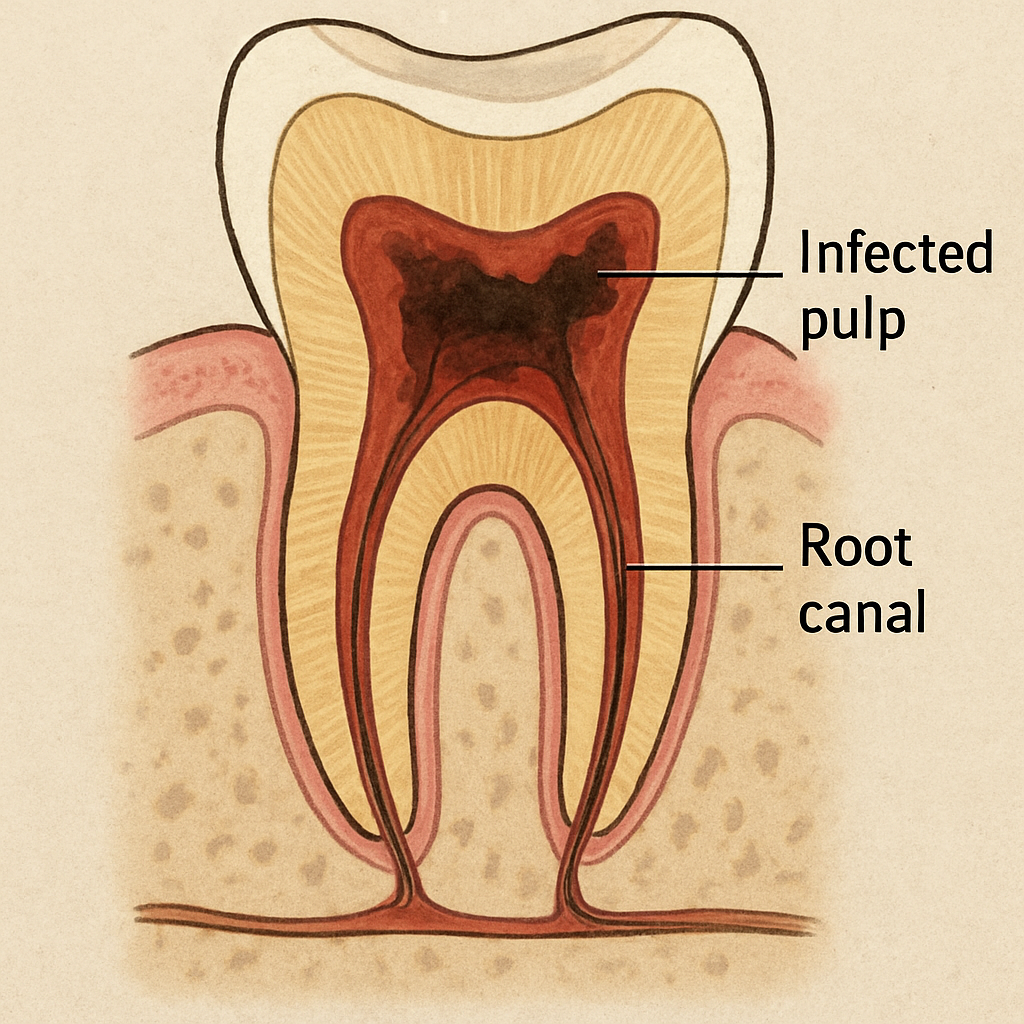
The root canal procedure typically involves several steps. Here’s a simplified overview of what you can expect:
Step 1: Examination and X-ray
The first step is an examination by your dentist, who will take X-rays to determine the extent of the infection and to see the shape of the root canals. This initial assessment is crucial for planning the procedure and ensuring that all infected areas are addressed. The X-rays provide a detailed view of the tooth’s structure, highlighting any issues not visible to the naked eye.
Step 2: Local Anesthesia
To ensure a painless experience, your dentist will administer local anesthesia to numb the affected area. This means you won’t feel any pain during the procedure. Advances in dental anesthesia have made this step very effective, ensuring patient comfort throughout the treatment. Your dentist may also provide sedation options if you feel particularly anxious.
Step 3: Removing the Infected Pulp
The dentist will make a small opening in the crown of the tooth to access the pulp chamber. Using specialized tools, the infected pulp is removed. This step is vital as it eliminates the source of infection and pain. Precision is key here, as the dentist must ensure all infected tissue is removed without damaging the surrounding healthy tooth structure.
Step 4: Cleaning and Shaping
Once the pulp is removed, the root canals are thoroughly cleaned and shaped to prepare for filling. This step is crucial to eliminate bacteria and prevent future infections. Dentists use tiny files to clean and shape the canals, ensuring they are free of debris and properly contoured for the filling material. This meticulous cleaning helps prevent reinfection and supports the healing process.
Step 5: Filling the Root Canals
After cleaning, the dentist fills the root canals with a rubber-like material called gutta-percha. This material seals the canals to prevent bacteria from entering. The filling process ensures that the space once occupied by the pulp is securely closed, providing a barrier against future bacterial invasion. This step is crucial for the long-term success of the root canal treatment.
Step 6: Sealing the Tooth
A temporary filling is placed on the tooth to close the opening. In most cases, a permanent crown is later placed to restore the tooth’s function and appearance. The temporary filling protects the tooth until the permanent crown can be placed, which is typically done in a follow-up appointment. A well-fitted crown restores the tooth’s strength and aesthetics, enabling you to chew and speak comfortably.
Why is Root Canal Treatment Necessary?
Pain Relief
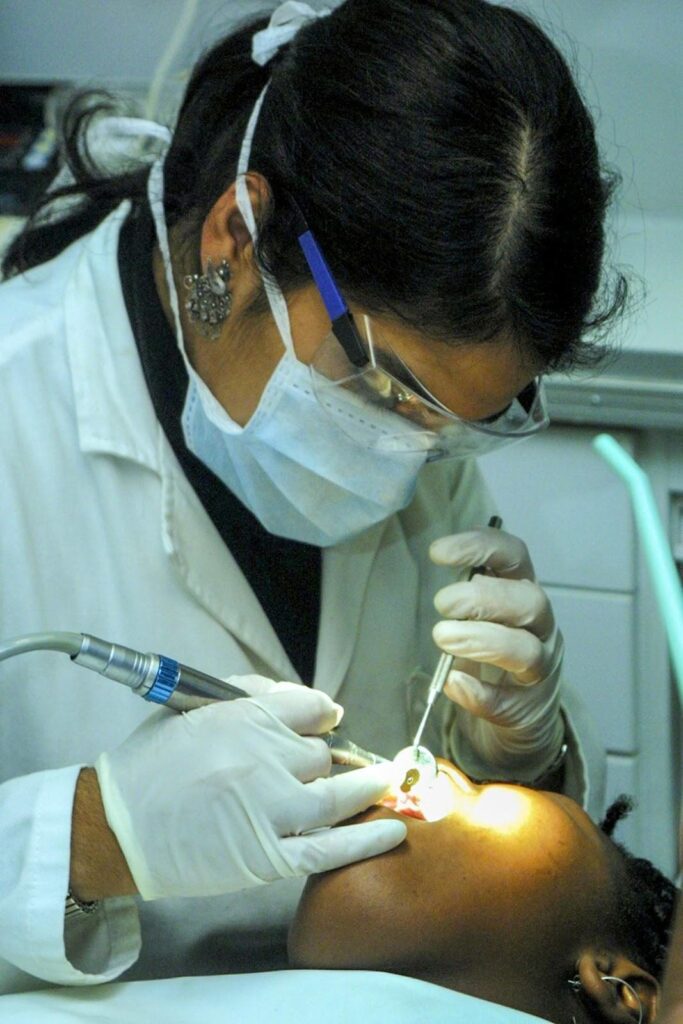
An infected pulp can cause severe toothache and sensitivity. A root canal treatment alleviates this pain by removing the source of infection. The relief from pain is often immediate, allowing patients to return to their normal activities without discomfort. Furthermore, addressing the infection promptly can prevent more severe health issues from developing.
Preserving the Natural Tooth
The primary goal of a root canal is to save your natural tooth. Preserving your natural teeth is crucial for maintaining proper oral health, chewing function, and appearance. Natural teeth provide the best support for the jawbone, preventing bone loss that can occur with missing teeth. Additionally, keeping your natural tooth helps maintain the alignment of your other teeth, reducing the risk of bite issues.
Preventing Further Infections
By removing the infected pulp and sealing the tooth, root canal treatment prevents bacteria from spreading and causing more serious infections or abscesses. This preventive aspect is vital for overall oral health, as untreated infections can lead to systemic health issues. Controlling the infection at its source minimizes the risk of complications and promotes a healthier mouth.
Avoiding Tooth Loss
Without a root canal, the infection can worsen, leading to tooth loss. Losing a tooth can affect your bite, lead to shifting teeth, and require more extensive dental procedures like implants or bridges. These restorative procedures can be more costly and time-consuming than a root canal. By choosing root canal treatment, you preserve your natural smile and avoid the challenges associated with missing teeth.
How Much Does a Root Canal Cost?
The cost of a root canal treatment can vary depending on several factors, such as the location of the tooth, the complexity of the procedure, and the dentist’s fees. Choosing the Best Root Canal Treatment in Manikonda ensures that the procedure is performed with precision and advanced techniques. On average, molars are typically more expensive due to their size and the complexity of their root canals. Consulting the Best Dental Clinic in Manikonda can help you understand the exact cost based on your specific condition.
Insurance plans often cover a portion of the root canal cost, so it is essential to check with your provider to understand your coverage. It is also worth discussing payment plans with your dentist’s office, as many clinics offer flexible financing options. Investing in treatment at the Best Dental Clinic in Manikonda can save you money in the long run by preserving your natural tooth and avoiding more extensive and costly dental procedures through the Best Root Canal Treatment in Manikonda.
Post-Procedure Care
After a root canal procedure, it’s important to take proper care of your tooth to ensure successful healing:
- Avoid Chewing on the Treated Tooth: Until the permanent crown is placed, avoid chewing with the treated tooth to prevent damage. Being cautious helps protect the temporary filling and ensures a smooth transition to the permanent restoration.
- Maintain Good Oral Hygiene: Brush and floss regularly to keep your mouth clean and prevent future infections. Consistent oral care is essential to support healing and maintain the health of your treated tooth and surrounding tissues.
- Follow-Up Appointments: Attend all follow-up visits to ensure the tooth is healing properly and to receive the permanent crown. These appointments allow your dentist to monitor your recovery and make any necessary adjustments for optimal outcomes.
Myths and Facts About Root Canal Treatment
Myth: Root Canals Are Painful
Fact: With modern techniques and anesthesia, root canal treatments are no more painful than getting a filling. The perception of pain often stems from the initial toothache that necessitated the treatment, rather than the procedure itself. Advances in dental technology and anesthesia have made root canals a comfortable experience for most patients.
Myth: It’s Better to Pull the Tooth
Fact: Saving your natural tooth with a root canal is often the best option for oral health. Tooth extraction can lead to alignment issues and requires additional procedures to replace the missing tooth. Preserving your natural tooth supports the health of your jawbone and surrounding teeth, maintaining your overall oral health.
Myth: Root Canal Treatment Causes Illness
Fact: There is no scientific evidence linking root canal treatments to other illnesses. The procedure is safe and effective in treating dental infections. Misconceptions about root canals causing systemic health issues have been debunked by numerous studies, affirming the procedure’s safety and necessity for treating infected teeth.
Conclusion
Root canal treatment is a vital dental procedure that can save your tooth, relieve pain, and prevent further dental issues. By understanding the procedure and its benefits, you can make informed decisions about your oral health. If you suspect you need a root canal, consult your dentist to discuss your symptoms and treatment options.
Remember, taking care of your dental health is an investment in your overall well-being. A healthy mouth contributes to a healthy body, and timely dental care can prevent more serious health issues down the line. By prioritizing your dental health, you ensure a brighter smile and a healthier future.
FAQ
Is root canal treatment painful?
Root canal treatment is a common dental procedure designed to save a tooth that is infected or severely decayed. Understanding this procedure is essential for anyone facing it, as it can help alleviate anxiety and prepare you for what to expect. In this comprehensive guide, we will cover various aspects of root canal treatment, such as its pain levels, duration, post-treatment care, potential side effects, and alternative options. By addressing these points, we aim to equip you with the knowledge needed to make an informed decision about your dental health.
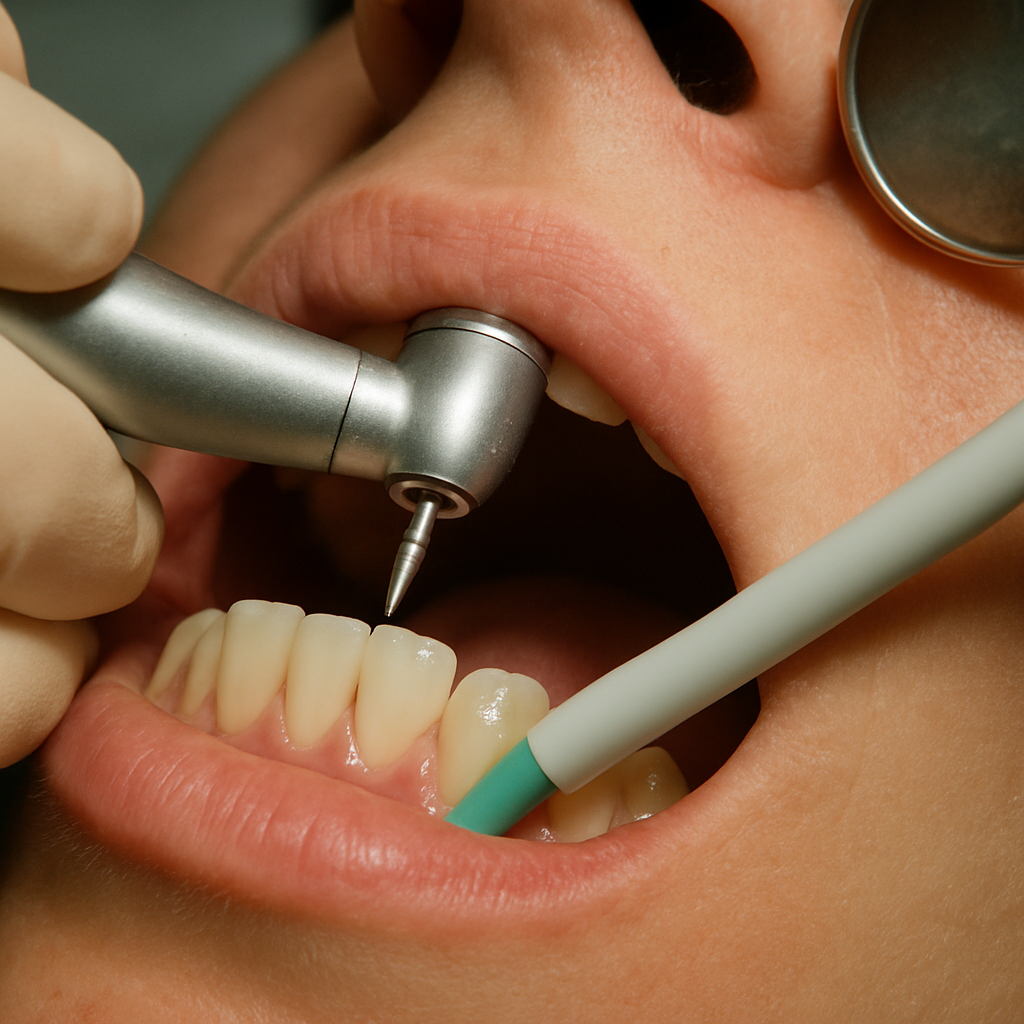
One of the biggest fears people have about root canals is the pain. However, thanks to modern dentistry, root canal procedures are much less painful than you might think. Dentists use local anesthesia to numb the area, so you shouldn’t feel pain during the procedure. Most patients report feeling pressure rather than pain.
After the procedure, it’s normal to experience some discomfort, but this can usually be managed with over-the-counter pain relievers. If you experience severe pain, you should contact your dentist. The discomfort typically subsides within a few days as your body begins to heal. It’s also worth noting that the pain relief from eliminating the infection often outweighs any temporary discomfort from the procedure itself.
How Long Does a Root Canal Last?
A root canal can last a lifetime if the tooth is properly restored and cared for. The longevity of the treatment depends largely on the final restoration, like a crown, which protects the tooth. Regular dental check-ups and good oral hygiene practices also contribute to the longevity of a root canal-treated tooth.
It’s essential to understand that while the root canal itself is a permanent solution to the infection, the tooth’s structural integrity relies heavily on the restoration. Factors such as the quality of the crown, the patient’s oral hygiene habits, and the absence of further trauma to the tooth all play a role in determining how long the treatment will last. By following your dentist’s recommendations, you can ensure that the treated tooth remains functional for many years.
Can I Brush My Teeth After a Root Canal?
Yes, you can brush your teeth after a root canal, but you should be gentle around the treated area. It’s important to maintain good oral hygiene to prevent further dental issues. Your dentist may provide specific instructions on how to care for your teeth post-treatment, including using a soft-bristled toothbrush and avoiding certain foods until the tooth is fully healed.
In addition to brushing, flossing regularly is crucial to prevent plaque buildup around the treated tooth. You might also be advised to use an antimicrobial mouthwash to reduce bacteria in the mouth, aiding in the healing process. Remember, keeping the area clean is key to avoiding complications and ensuring a smooth recovery.
Are There Any Side Effects of Root Canal Treatment?
As with any medical procedure, there can be side effects. Common side effects include:
- Mild Pain or Discomfort: This is usually temporary and can be managed with pain medication.
- Swelling: The treated area may swell for a few days.
- Sensitivity: The tooth might feel sensitive, especially if there’s a temporary filling.
If you experience severe symptoms like intense pain, swelling that doesn’t decrease, or signs of infection, it’s important to contact your dentist immediately. Additionally, some patients may experience slight bruising or a change in tooth color, although these are less common. It’s always best to monitor your symptoms and keep your dental professional informed of any changes.
Is There an Alternative to Root Canal Treatment?
The primary alternative to a root canal is tooth extraction, followed by replacing the extracted tooth with an implant, bridge, or denture. However, saving your natural tooth is usually the best option if possible. Extraction can lead to other dental problems over time, such as shifting teeth and bite issues.
In some cases, if the tooth is not severely infected, a less invasive procedure like pulp capping may be considered. Always discuss all options with your dentist to determine the best course of action for your situation. It’s important to weigh the pros and cons of each treatment option, taking into account factors such as cost, recovery time, and long-term oral health.
Understanding the Root Canal Procedure
What Is a Root Canal?
A root canal is a treatment to repair and save a tooth that is badly decayed or infected. The procedure involves removing the damaged area of the tooth (the pulp), cleaning and disinfecting it, and then filling and sealing it. This process eliminates bacteria and prevents future infections, preserving the natural tooth structure.
The procedure is often completed in one or two appointments, depending on the severity of the infection and the tooth’s complexity. During the treatment, the dentist will use specialized tools to access the tooth’s interior, ensuring all the infected tissue is removed. Once the tooth is cleaned, it is sealed with a filling material to prevent further contamination.
Why Do You Need a Root Canal?
When a tooth’s nerve tissue or pulp is damaged, bacteria begin to multiply within the pulp chamber. This can cause an infection or abscessed tooth, which can lead to severe pain, swelling, and even bone loss around the root tip. A root canal prevents these complications by removing the infected tissue.
The procedure not only alleviates pain but also restores the tooth’s function, allowing you to chew and bite comfortably. Without treatment, the infection can spread, potentially leading to more serious health issues. Therefore, a root canal is a crucial intervention for maintaining overall oral health and preventing further complications.
The Cost of a Root Canal
The cost of a root canal can vary depending on the tooth’s location and the dentist’s expertise. Generally, a root canal on a front tooth is less expensive than one on a molar. It’s important to consider the cost of the crown or filling that will be needed after the root canal. Dental insurance often covers part of the procedure, so check with your provider.
It’s also wise to discuss payment plans with your dental office if cost is a concern. Investing in a root canal can save you money in the long run by avoiding more extensive dental work or tooth replacement options. Additionally, some dental clinics offer financing options or discounts for those paying out of pocket.
Post-Treatment Care
After a root canal, caring for your teeth is crucial to ensure long-term success:
- Avoid Hard Foods: Stick to soft foods until the tooth is fully restored. This helps prevent damage to the temporary filling or crown and aids in the healing process.
- Practice Good Oral Hygiene: Brush and floss regularly to keep your teeth and gums healthy. Maintaining a clean mouth reduces the risk of future infections and supports overall dental health.
- Regular Dental Check-Ups: Visit your dentist for regular check-ups and cleanings. These visits allow your dentist to monitor the treated tooth and address any potential issues early on.
Your dentist may also recommend using a desensitizing toothpaste if you experience sensitivity post-treatment. Additionally, avoid using the treated tooth to chew sticky or hard foods until it’s fully healed and restored. Following these guidelines will help ensure the longevity of your root canal treatment and maintain your oral health.
Conclusion
Root canal treatment is a safe and effective way to save a tooth that would otherwise need to be extracted. While the thought of a root canal can be intimidating, understanding the procedure and knowing what to expect can ease your fears. Choosing the Best Root Canal Treatment in Manikonda ensures expert care, advanced techniques, and a comfortable experience. Remember, maintaining good oral hygiene and following your dentist’s advice is key to a successful recovery.
If you have any questions or concerns about root canal treatment, do not hesitate to discuss them with the Best Dental Doctor in Manikonda, who can provide personalized guidance based on your specific dental health needs. By taking a proactive approach to your dental care and seeking the Best Root Canal Treatment in Manikonda, you can ensure that your smile remains healthy and strong for years to come