
Maintaining optimal dental hygiene is essential for your overall health and wellbeing. While regular brushing and flossing are the foundations of a healthy mouth, they sometimes aren’t enough to remove the hardened deposits that lead to gum disease.
To ensure your smile stays in peak condition, it is vital to visit the Best Dental Clinic In Manikonda for professional intervention. In this article, we will explore why teeth require special cleaning, how modern technology like ultrasonic scalers works, and why they are often superior to traditional methods.
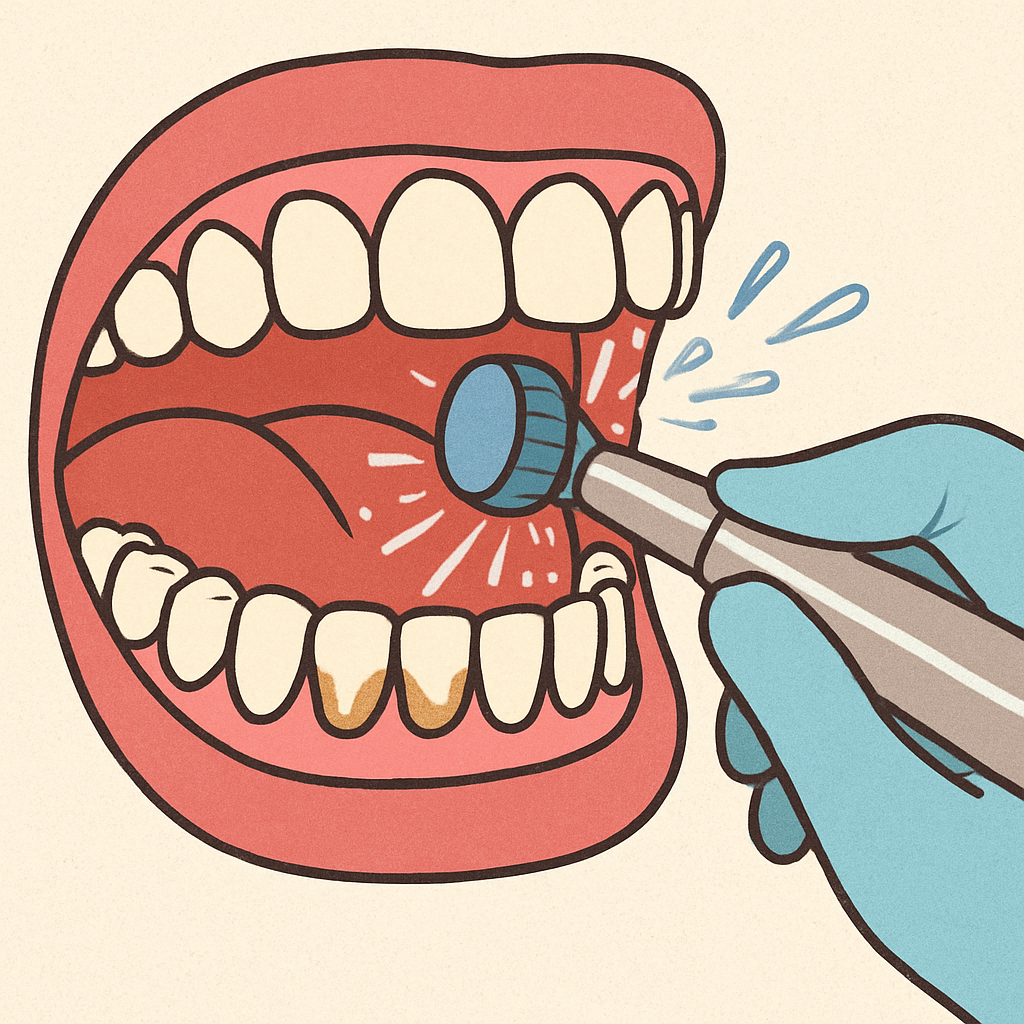
Teeth are constantly exposed to food, beverages, and bacteria that can lead to plaque and tartar buildup. Plaque is a sticky, invisible film of bacteria that forms on teeth after every meal. If it isn’t removed through diligent brushing and flossing, it reacts with minerals in your saliva to harden into tartar (calculus).
Unlike plaque, tartar is a calcified deposit that is bonded to the tooth enamel and can only be safely removed through professional intervention. To prevent long-term damage, it is essential to visit the best dental clinic for teeth cleaning in manikonda for a thorough scaling and polishing session.
Even with diligent brushing and flossing, it is challenging to reach all areas of the mouth, especially between teeth and below the gum line. Special cleaning techniques are necessary to remove these stubborn deposits and prevent dental issues such as cavities, gum disease, and bad breath. Additionally, some individuals may have certain anatomical challenges, such as crowded teeth or deep grooves in their molars, which make it even more difficult to maintain cleanliness without professional intervention.
The Role of Dental Hygiene Tools
Dental hygiene tools, such as toothbrushes, dental floss, and mouthwash, play a significant role in maintaining oral health. These tools help remove food particles and some plaque, yet they have limitations. However, professional cleaning by a dental hygienist or dentist is crucial for thorough cleaning. Special tools and techniques are required to remove tartar and plaque that home care cannot address, ensuring areas that are typically neglected receive the attention they need.
Moreover, professional tools are designed to target specific dental issues effectively. For instance, dental hygienists use instruments that can reach below the gum line and into periodontal pockets, areas where traditional brushing and flossing can’t effectively clean. This level of cleaning helps prevent not only dental decay but also systemic health issues linked to oral bacteria.
What Does an Ultrasonic Scaler Do?
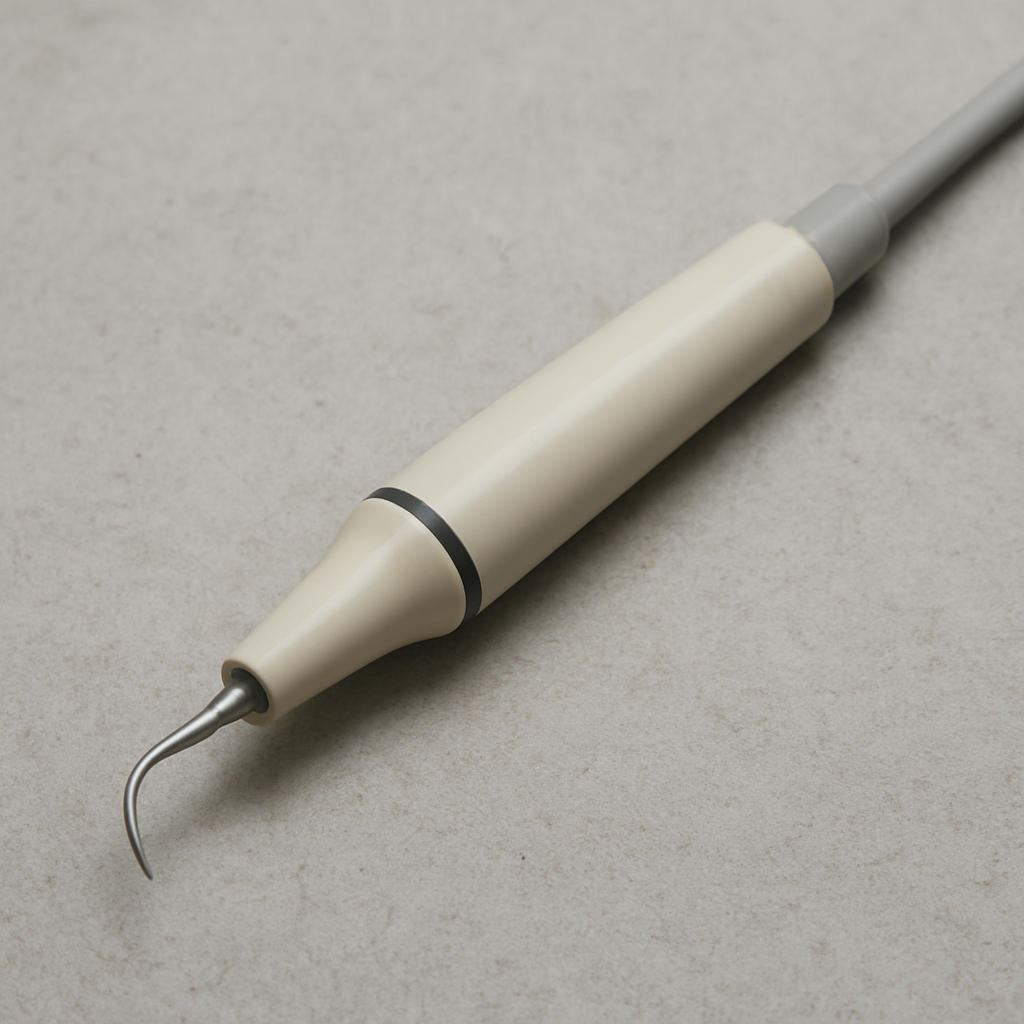
An ultrasonic scaler is a dental tool used by professionals to remove plaque, tartar, and stains from the surfaces of teeth. It uses high-frequency vibrations to break down deposits, making it easier to clean teeth thoroughly. This tool is particularly effective for patients who have significant tartar buildup that cannot be effectively managed with manual tools alone.
How Ultrasonic Scalers Work
Ultrasonic scalers use a combination of ultrasonic vibrations and a water spray to remove debris from teeth. The high-frequency sound waves create tiny bubbles in the water, which collapse and produce a scrubbing action that dislodges plaque and tartar. This process is known as cavitation and is highly effective in reaching the microscopic crevices where bacteria thrive.
The water spray also helps keep the scaler tip cool and flushes away debris, providing a more comfortable cleaning experience for patients. The scaler’s tip vibrates at a frequency that is effective in removing tough deposits without damaging the tooth enamel. This ensures that the enamel, which is the protective layer of the tooth, remains intact while the underlying deposits are efficiently removed.
Advantages of Ultrasonic Scaling Over Manual Scaling
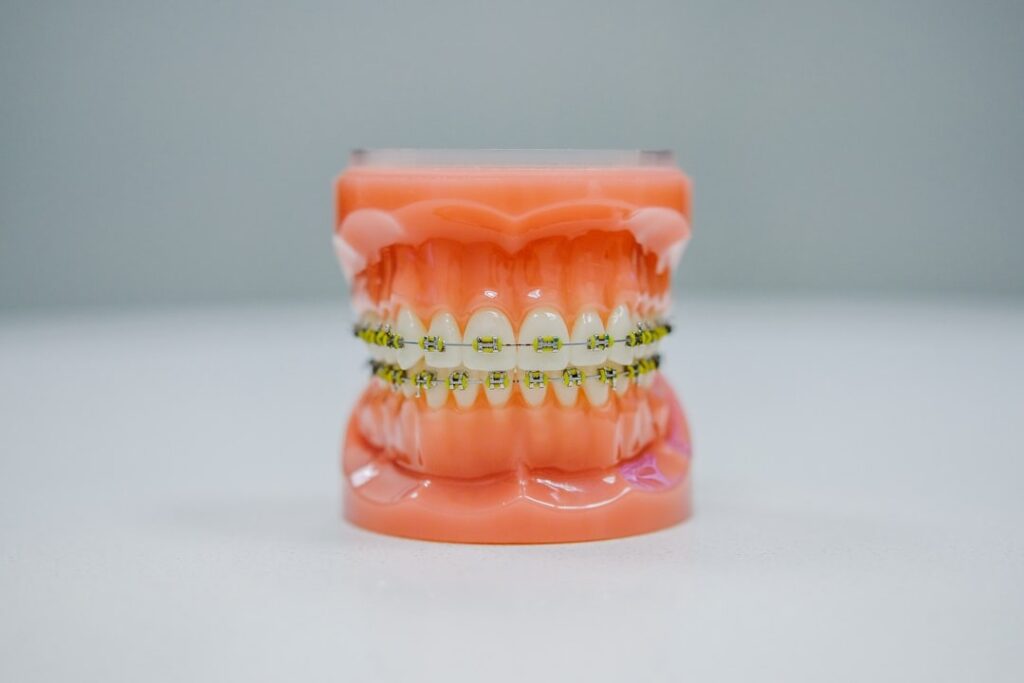
Ultrasonic scaling offers several advantages over traditional manual scaling techniques. Here are some of the key benefits:
Efficiency and Precision
Ultrasonic scalers are highly efficient and precise in removing plaque and tartar. The vibrations and water spray work together to clean teeth more thoroughly and quickly than manual scaling methods. This efficiency reduces the time patients spend in the dental chair and can lead to more comprehensive cleaning. Additionally, the precision of ultrasonic scalers allows dental professionals to target specific areas that require more attention without affecting other parts of the mouth.
The high-frequency vibrations also allow for the removal of more tenacious deposits that manual tools might struggle with. This means that even in cases of severe tartar buildup, ultrasonic scaling can effectively address the issue without prolonged or uncomfortable scraping.
Comfort for Patients
Ultrasonic scaling is generally more comfortable for patients than manual scaling. The vibrations and water spray reduce the need for scraping with metal instruments, which can be unpleasant for some people. Additionally, the cooling effect of the water spray helps to minimize discomfort during the procedure. For patients with sensitive teeth or gums, this can make a significant difference in their overall experience.
Furthermore, because ultrasonic scaling can be performed more quickly than manual scaling, patients often report less fatigue and discomfort during their appointments. This can make routine dental visits less daunting and encourage more consistent attendance.
Improved Access to Hard-to-Reach Areas
The design of ultrasonic scalers allows them to reach areas that manual tools might miss, such as deep periodontal pockets and the spaces between teeth. This improved access ensures a more thorough cleaning, which is essential for preventing dental issues. Ultrasonic scalers are particularly adept at cleaning below the gum line, where traditional tools might not reach effectively.
By addressing these challenging areas, ultrasonic scaling helps prevent the progression of periodontal disease and supports the maintenance of healthy gum tissue. This is especially important for patients with existing gum issues or those who are at higher risk due to genetic or lifestyle factors.
Reduced Risk of Damage
Manual scaling can sometimes result in damage to the enamel or gums if not performed carefully. Ultrasonic scaling minimizes the risk of damage due to its precise and gentle cleaning action. The tool’s vibrations are effective at removing deposits without harming the tooth surface. This gentler approach is particularly beneficial for patients with weakened enamel or sensitive gums.
The Benefits of Ultrasonic Scaling Cleaning
Ultrasonic scaling cleaning offers numerous benefits that contribute to better oral health. Here are some of the advantages:
Prevention of Gum Disease
Regular ultrasonic scaling can help prevent gum disease by removing plaque and tartar that contribute to inflammation and infection. By maintaining healthy gums, patients can reduce their risk of developing periodontal disease and other related issues. This proactive approach to gum health can also prevent the need for more invasive treatments in the future, such as root planing or gum surgery.
Additionally, preventing gum disease has implications beyond oral health, as research has shown links between gum disease and systemic conditions such as heart disease and diabetes. Thus, regular ultrasonic scaling can be part of a holistic approach to health maintenance.
Fresher Breath
Plaque and tartar buildup can lead to bad breath, a condition known as halitosis. Ultrasonic scaling removes the bacteria responsible for bad breath, resulting in fresher breath and improved confidence. This benefit is not only important for personal interactions but also for the individual’s self-esteem and overall quality of life.
Addressing the root cause of bad breath through professional cleaning is more effective than temporary fixes such as mints or mouthwash. By eliminating the bacteria and buildup, patients can enjoy long-lasting freshness.
Enhanced Oral Health
Consistent ultrasonic scaling appointments contribute to overall oral health by reducing the risk of cavities, gum disease, and other dental issues. This preventive measure can lead to fewer dental visits and lower treatment costs in the long run. By investing in regular professional cleanings, patients can avoid more costly and invasive procedures down the line.
Moreover, maintaining good oral health has been shown to improve overall wellbeing, as the mouth is a gateway to the rest of the body. By keeping oral bacteria in check, patients can support their systemic health and reduce the risk of other health complications.
A Brighter Smile
Ultrasonic scaling can effectively remove surface stains caused by coffee, tea, and smoking. This results in a brighter, more attractive smile that boosts self-esteem. A brighter smile not only enhances personal appearance but also improves social interactions and professional opportunities.
Beyond aesthetic benefits, removing surface stains can also contribute to better oral health, as these stains can harbor bacteria if left untreated. By maintaining a clean and bright smile, patients can support both their oral health and overall confidence.
Conclusion
Incorporating ultrasonic scaling into your dental care routine offers numerous benefits that contribute to better oral health. By understanding why teeth require special cleaning and the advantages of ultrasonic scaling over manual methods, you can make informed decisions about your dental care.
For residents seeking expert care, visiting the best dental clinic for teeth cleaning in manikonda ensures you receive the latest in ultrasonic technology to maintain healthy gums, fresher breath, and a brighter smile.
Make sure to consult with your dentist to determine the best dental hygiene tools and techniques for your individual needs. With the right care, you can enjoy a lifetime of healthy teeth and gums. Remember that professional guidance and consistent care are key components of effective dental hygiene. By staying informed and proactive, you can ensure that your dental health supports your overall quality of life.