
What is Oral Cancer?
Oral cancer refers to cancers that occur in any part of the mouth. This includes the lips, tongue, cheeks, floor of the mouth, hard and soft palate, sinuses, and throat. It is a serious condition that can be life-threatening if not diagnosed and treated early. Access to the Best Oral Cancer Treatment in Manikonda,Hyderabad is essential for improving survival rates and ensuring effective care.
Oral cancer can affect anyone, but certain factors increase the risk of developing this disease. Understanding these factors, the types of oral cancer, and the available treatments can help in prevention and early detection when guided by experienced professionals at Lavanya Dental Clinic.
The oral cavity consists of various components, each of which can be affected by cancer. The lips and cheeks are often the first to show visible signs of abnormalities, which can be detected through regular self-examinations. The tongue, a muscular organ, not only aids in taste and swallowing but is also a common site for cancerous growths that require timely evaluation.
The floor of the mouth and the hard and soft palates are often overlooked in daily oral hygiene but are crucial areas where cancer can develop. Sinuses and the throat, although not visible, can be affected by cancer, leading to symptoms like nasal congestion and difficulty swallowing. Early consultation at Lavanya Dental Clinic can help identify these issues before they progress.
Early detection of oral cancer significantly improves the chances of successful treatment. Symptoms such as persistent mouth sores, unexplained bleeding, or numbness in the mouth should be promptly evaluated by a healthcare professional offering the Best Dental Clinic in Manikonda. Routine dental checkups play a crucial role in catching early signs that might go unnoticed by individuals.
Educating the public about the signs and symptoms of oral cancer can lead to earlier diagnosis and better outcomes. Awareness campaigns and regular dental visits are vital in encouraging preventive care and timely intervention.
While anyone can develop oral cancer, certain groups are at higher risk. Individuals over the age of 40, particularly those with a history of tobacco or alcohol use, are more susceptible. Genetic factors also play a role, with some people having a hereditary predisposition to developing oral cancers.
It is important to note that lifestyle choices can mitigate some of these risks. Engaging in healthy habits, maintaining good oral hygiene, and seeking preventive care from Lavanya Dental Clinic can lower the likelihood of developing oral cancer and support long-term oral health.
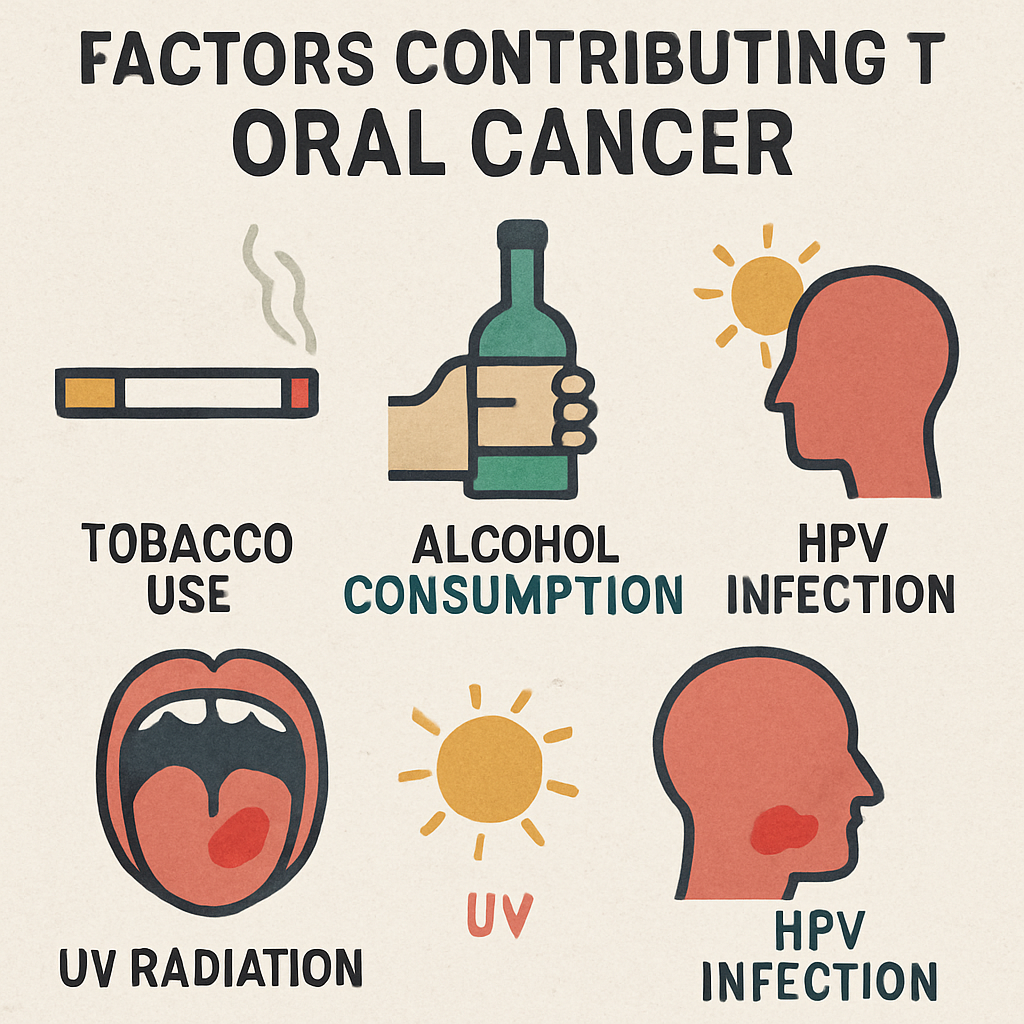
Tobacco and Alcohol Use
Tobacco use, whether smoking or chewing, is one of the most significant risk factors for oral cancer. The chemicals in tobacco can damage the DNA in cells, leading to mutations that can result in cancer. Similarly, excessive alcohol consumption can also increase the risk. Alcohol acts as an irritant, damaging cells in the mouth and throat, which can lead to cancerous changes over time.
When used together, tobacco and alcohol have a compounded effect, significantly raising the chances of developing oral cancer. This combination can lead to more aggressive forms of cancer, making it crucial to address both habits when considering risk reduction strategies.
Human Papillomavirus (HPV)
HPV is a sexually transmitted virus that has been linked to oral cancers, particularly those at the back of the throat, including the base of the tongue and tonsils. The virus can cause changes in the cells it infects, potentially leading to cancer. The rise in HPV-related oral cancers highlights the importance of vaccination and safe practices.
Vaccination against HPV is recommended to prevent infection with the virus types most commonly associated with cancer. Public health campaigns continue to emphasize the importance of vaccination, especially among young people, to curb the increasing trend of HPV-related oral cancers.
Sun Exposure
Prolonged exposure to the sun can increase the risk of cancer on the lips. The ultraviolet (UV) rays in sunlight can damage the DNA in skin cells, including those on the lips, leading to cancer. Just like skin cancer, protecting your lips with sunblock can help reduce this risk.
Wearing a wide-brimmed hat and using lip balm with SPF are simple steps to protect against lip cancer. Education on sun safety can help prevent not only lip cancer but other forms of skin cancer as well.
Diet and Nutrition
A diet low in fruits and vegetables may contribute to the development of oral cancer. These foods contain essential vitamins and antioxidants that help protect against cancer. Antioxidants neutralize harmful free radicals in the body, reducing the risk of cell damage that can lead to cancer.
Incorporating a variety of colorful fruits and vegetables into daily meals can significantly lower cancer risk. Nutrition education and access to fresh produce are vital components of cancer prevention programs.
Genetic and Environmental Factors
Genetics can play a role in an individual’s risk for oral cancer. Some people may inherit genetic mutations that predispose them to cancer. Additionally, environmental factors such as exposure to certain chemicals and occupational hazards can increase risk.
Understanding one’s genetic predisposition through family history can inform personal health strategies. Awareness and advocacy for safe working conditions can mitigate environmental risks associated with oral cancer.
Types of Oral Cancer
Oral cancer can manifest in various forms. The type of cells where the cancer begins determines the classification.
Squamous Cell Carcinoma
Most oral cancers are squamous cell carcinomas. These cancers begin in the flat, thin cells that line the lips and inside of the mouth. Squamous cells can become cancerous due to various risk factors, including tobacco and alcohol use.
Squamous cell carcinoma is known for its potential to spread quickly if not detected early. Regular screenings and prompt attention to symptoms like persistent ulcers or lumps are crucial for early intervention.
Verrucous Carcinoma
Verrucous carcinoma is a rare type of oral cancer. It’s a low-grade cancer that rarely spreads to other parts of the body. It often appears as a slow-growing, wart-like growth.
This type of cancer is often associated with chronic irritation, such as from tobacco chewing. Surgical removal is typically effective, but regular follow-up is necessary to monitor for recurrence.
Minor Salivary Gland Carcinomas
This type of cancer develops in the minor salivary glands located throughout the lining of the mouth and throat. These glands produce saliva, and when cancer develops here, it’s usually an adenocarcinoma.
Salivary gland cancers can vary in their behavior and prognosis. Treatment often involves surgery and may include radiation, depending on the stage and grade of the tumor.
Other Rare Types
Other rare types of oral cancer include lymphoma, which can occur in the lymphoid tissue of the oral cavity, and melanoma, which affects the pigment-producing cells. These cancers require specialized treatment approaches.
Understanding the diverse types of oral cancer helps in tailoring treatment and improving patient outcomes. Research continues to explore new therapies and improve diagnostic techniques.
Treatments for Oral Cancer
The treatment for oral cancer depends on the stage and location of the cancer, as well as the patient’s overall health, making it essential to seek the Best Oral Cancer Treatment in Manikonda,Hyderabad for accurate diagnosis and effective care.
Surgery
Surgery is a common treatment for oral cancer. The goal is to remove the cancerous tissue and some of the surrounding healthy tissue to ensure all cancer cells are eradicated. Surgeons aim to preserve as much function and appearance as possible while ensuring complete removal of cancer.
In some cases, reconstructive surgery may be necessary to restore the appearance and function of the mouth. Advances in surgical techniques have improved outcomes and minimized complications for patients undergoing oral cancer surgery.
Radiation Therapy
Radiation therapy uses high-energy beams to kill cancer cells. It can be used alone or in conjunction with other treatments like surgery or chemotherapy. This treatment is often used for cancers that are detected early.
Radiation therapy may also be employed post-surgery to eliminate any remaining cancer cells. Side effects can include dry mouth and changes in taste, but supportive care can help manage these issues.
Chemotherapy
Chemotherapy involves using drugs to kill cancer cells. It’s often used in combination with radiation therapy. Chemotherapy can be administered orally or intravenously and is used for more advanced stages of oral cancer.
The choice of drugs and the treatment regimen depend on the type and stage of cancer. Oncologists work closely with patients to manage side effects and optimize treatment efficacy.
Targeted Therapy
Targeted therapy uses drugs to target specific molecules involved in the growth and spread of cancer cells. This treatment can be more effective and less harmful to normal cells compared to traditional chemotherapy.
Targeted therapies continue to evolve, offering new hope for patients with specific genetic markers. Research is ongoing to expand the use of targeted therapies in treating various types of oral cancer.
Immunotherapy
Immunotherapy is an emerging treatment that harnesses the body’s immune system to fight cancer. It can be particularly effective for certain types of oral cancer and is often used when other treatments have failed.
Clinical trials are exploring the potential of immunotherapy in combination with other treatments. This approach represents a promising frontier in cancer treatment, offering new options for patients.
Prevention and Early Detection
Regular Dental Checkups
Regular visits to the dentist can help in the early detection of oral cancer. Dentists can perform oral cancer screenings and detect any abnormal areas in the mouth. These screenings are quick and painless, yet they play a crucial role in catching cancer early.
Dentists are trained to recognize subtle changes that may indicate early-stage cancer. Building a strong partnership with your dental care provider can lead to timely interventions and better outcomes.
Avoid Risk Factors
Avoiding tobacco and limiting alcohol consumption can significantly reduce the risk of developing oral cancer. Both tobacco and alcohol are known carcinogens, and reducing exposure can lower cancer risk.
Using lip balm with sunblock can protect your lips from harmful UV rays. Simple lifestyle changes, like wearing a hat and avoiding peak sun hours, can also contribute to prevention.
Healthy Diet
Consuming a diet rich in fruits and vegetables can help protect against oral cancer. These foods provide essential nutrients that support a healthy immune system. A balanced diet aids in maintaining overall health and resilience against diseases.
Public health initiatives often focus on promoting access to healthy foods and nutrition education. Empowering individuals with knowledge about diet and cancer prevention is a powerful tool in reducing incidence rates.
HPV Vaccination
Getting vaccinated against HPV can reduce the risk of HPV-related oral cancers. It’s recommended for both boys and girls at a young age. The vaccination is most effective when administered before individuals become sexually active.
Education campaigns and school-based vaccination programs have increased coverage rates. Continued efforts are needed to ensure widespread access and acceptance of the HPV vaccine.
Self-Examination
Regular self-examinations can aid in the early detection of oral cancer. Individuals should routinely check their mouth for any unusual changes, such as lumps or sores that do not heal.
Educating the public on how to conduct self-examinations can empower individuals to take charge of their oral health. Early detection through self-awareness can lead to prompt medical evaluation and treatment.
Oral Cancer in Dogs
Oral cancer doesn’t just affect humans; it can also occur in dogs. Oral tumors in dogs can appear as growths or sores in the mouth that do not heal. Symptoms may include bad breath, difficulty eating, and swelling in the mouth or face.
Regular veterinary checkups and observing any changes in your dog’s eating habits or mouth condition can help in early detection and treatment. Veterinarians can provide guidance on managing oral health and identifying potential issues early.
Types of Oral Tumors in Dogs
Dogs can develop various types of oral tumors, including malignant melanoma, squamous cell carcinoma, and fibrosarcoma. Each type requires a specific treatment approach, which may include surgery, radiation, or chemotherapy.
Pet owners should be aware of the signs and symptoms of oral cancer in dogs and seek veterinary care promptly. Understanding the types of tumors and their treatments can aid in decision-making and improve outcomes for affected pets.
Treatment Options for Dogs
Treatment for oral cancer in dogs depends on the type and stage of the tumor. Surgical removal is often the first step, followed by additional therapies if necessary. Early intervention can improve the prognosis and quality of life for dogs with oral cancer.
Veterinarians work closely with pet owners to develop a tailored treatment plan that considers the dog’s overall health and well-being. Advances in veterinary oncology continue to enhance treatment options for canine cancer patients.
Importance of Early Detection in Pets
Just as with humans, early detection of oral cancer in pets is crucial for successful treatment. Regular veterinary visits and at-home oral care can help identify issues early. Encouraging routine dental care and monitoring can prevent serious health problems in pets.
Educating pet owners about the importance of oral health care can lead to healthier, happier pets. Veterinary professionals play a key role in raising awareness and providing resources for pet care.
Conclusion
Oral cancer is a serious condition that requires attention to risk factors and symptoms. By understanding the causes, types, and treatments, and by choosing the Best Oral Cancer Treatment in Manikonda,Hyderabad, we can improve outcomes and save lives. Regular checkups, maintaining a healthy lifestyle, and avoiding known risk factors play crucial roles in preventing this disease, especially when supported by the Best Dental Clinic in Manikonda.
Stay informed and take proactive steps to protect yourself and your loved ones from oral cancer. Engaging with healthcare professionals at the Best Dental Clinic in Manikonda and utilizing available resources can empower individuals to take charge of their oral health. Through education, awareness, and access to the Best Oral Cancer Treatment in Manikonda,Hyderabad, we can reduce the burden of oral cancer and improve the quality of life for those affected.