
A beautiful smile is often considered a hallmark of attractiveness and confidence. But what goes into designing that perfect smile? Cosmetic dentistry has advanced significantly, allowing dental professionals to craft smiles that enhance facial aesthetics. Choosing the Best Smile Designing Treatment in Manikonda ensures a personalized approach that blends art and science for optimal results. This process, known as smile design, involves several key factors that are carefully evaluated at the Best Dental Clinic in Manikonda.
In this article, we’ll explore the primary elements influencing smile design and how they contribute to a stunning, natural-looking smile when performed by experts offering the Best Smile Designing Treatment in Manikonda.

Smile design is a comprehensive approach in cosmetic dentistry aimed at improving the appearance of your smile. It involves a series of dental procedures and treatments tailored to individual needs, focusing on aesthetics, functionality, and oral health. Smile design is not just about appearance; it also plays a crucial role in enhancing self-esteem and confidence.
Aesthetic Enhancement
Aesthetic enhancement is one of the primary goals of smile design. By improving the visual appeal of a smile, individuals often experience a positive shift in how they perceive themselves. This enhancement can also have a ripple effect, influencing how others perceive them, thereby boosting social interactions and opportunities. The aesthetic aspect is intricately linked to the harmony and balance of facial features, which cosmetic dentists strive to achieve through meticulous planning.
Functional Improvement
Beyond aesthetics, smile design addresses functional aspects of dental health. Proper alignment and spacing ensure that teeth work together efficiently, reducing wear and tear over time. Functional improvements also involve correcting bite issues that may lead to discomfort or health problems if left unaddressed. By focusing on function, smile design contributes to overall oral health, making it a comprehensive approach to dental care.
Psychological Benefits
The psychological impact of a well-designed smile cannot be overstated. Confidence in one’s smile can lead to increased self-assurance in social and professional settings. This newfound confidence often translates into greater willingness to engage with others, enhancing both personal and professional relationships. The psychological upliftment from a beautiful smile is a testament to the profound influence of cosmetic dentistry on individual well-being.
Key Factors Influencing Smile Design
Several factors come into play when designing a smile. Understanding these elements helps dentists create a harmonious and pleasing appearance. Let’s delve into the essential components of smile design:
1. Facial Aesthetics
Facial aesthetics are paramount in smile design. Cosmetic dentists consider the overall facial structure, including the shape and contours of the face, lips, and cheeks. The smile should complement these features, creating a balanced and harmonious look.
Facial Structure and Proportions
The facial structure, including the jawline, cheekbones, and forehead, plays a critical role in determining the ideal smile. Dentists analyze these features to ensure the smile aligns with the natural contours of the face. This alignment is essential for achieving a natural look that enhances overall facial harmony.
Lip Contours
Lips frame the smile and significantly influence its perception. Dentists assess the fullness, symmetry, and shape of the lips to determine how they interact with the teeth and gums when smiling. Adjustments to lip contours may be recommended to ensure they complement the smile and create a cohesive aesthetic.
Cheek and Chin Balance
The balance between the cheeks and chin is another consideration in smile design. A well-balanced facial profile contributes to the overall attractiveness of the smile. Dentists may suggest treatments that enhance this balance, ensuring the smile fits seamlessly into the facial landscape.
2. Tooth Color and Shade

Tooth color is a crucial factor in smile design. Dentists use color matching techniques to ensure that the shade of dental restorations, such as veneers or crowns, blends seamlessly with natural teeth. Achieving the right tooth color enhances the natural appearance of the smile and boosts confidence.
Color Matching Techniques
Advanced color matching techniques are employed to select the perfect shade for dental restorations. Dentists use a variety of tools and technologies, such as digital imaging and shade guides, to achieve the most natural look possible. These methods ensure that restorations are indistinguishable from natural teeth.
Whitening Options
Teeth whitening is a popular method for achieving a brighter smile. Professional whitening treatments offer safe and effective results, significantly improving the shade of natural teeth. Dentists may recommend whitening before other cosmetic procedures to ensure a uniform appearance.
Long-Term Maintenance
Maintaining tooth color over time requires regular dental care and attention to lifestyle habits. Dentists often provide guidelines on how to preserve the brightness of teeth, including recommendations for diet and oral hygiene practices. Consistent maintenance helps prolong the effects of cosmetic treatments.
3. Tooth Size and Proportion
The size and proportion of teeth significantly impact the overall aesthetics of a smile. Dentists carefully evaluate the length, width, and shape of teeth to ensure they are in harmony with each other and the surrounding facial features. Properly sized teeth create a more balanced and attractive smile.
Evaluating Tooth Dimensions
Dentists assess the dimensions of each tooth to ensure they complement one another and the overall smile. This evaluation considers factors such as tooth length, width, and thickness, which collectively influence the smile’s balance and harmony.
Ideal Tooth Proportions
Ideal tooth proportions are based on the principles of symmetry and aesthetic balance. Dentists strive to achieve the golden ratio, a mathematical ratio often found in nature, to create a visually pleasing smile. This approach ensures that teeth are not only functional but also aesthetically appealing.
Customizing Proportions
Each individual’s smile is unique, requiring customized proportions to suit their specific facial features. Dentists tailor their approach to accommodate variations in facial structure, ensuring that the smile design enhances the individual’s natural beauty. Customization is key to achieving a personalized and harmonious smile.
4. Tooth Alignment and Spacing
Correct alignment and spacing of teeth are essential for an appealing smile. Misaligned or crowded teeth can detract from overall aesthetics. Orthodontic treatments, such as braces or clear aligners, may be used to correct alignment issues and create a more uniform smile.
Assessing Alignment Needs
Dentists begin by assessing the current alignment of teeth, identifying areas that require correction. This assessment includes evaluating the bite, the alignment of individual teeth, and the overall harmony of the dental arch. A comprehensive evaluation informs the treatment plan.
Orthodontic Solutions
Orthodontic solutions range from traditional braces to modern clear aligners. Each option has its benefits, and dentists work with patients to determine the best choice for their needs. The goal is to achieve optimal alignment while considering the patient’s lifestyle and preferences.
Preventing Future Misalignment
Preventing future misalignment is an essential aspect of maintaining a perfect smile. Dentists provide guidance on habits and practices that support long-term alignment, such as wearing retainers and attending regular check-ups. Proactive care helps sustain the results of orthodontic treatments.
5. Gum Line and Symmetry
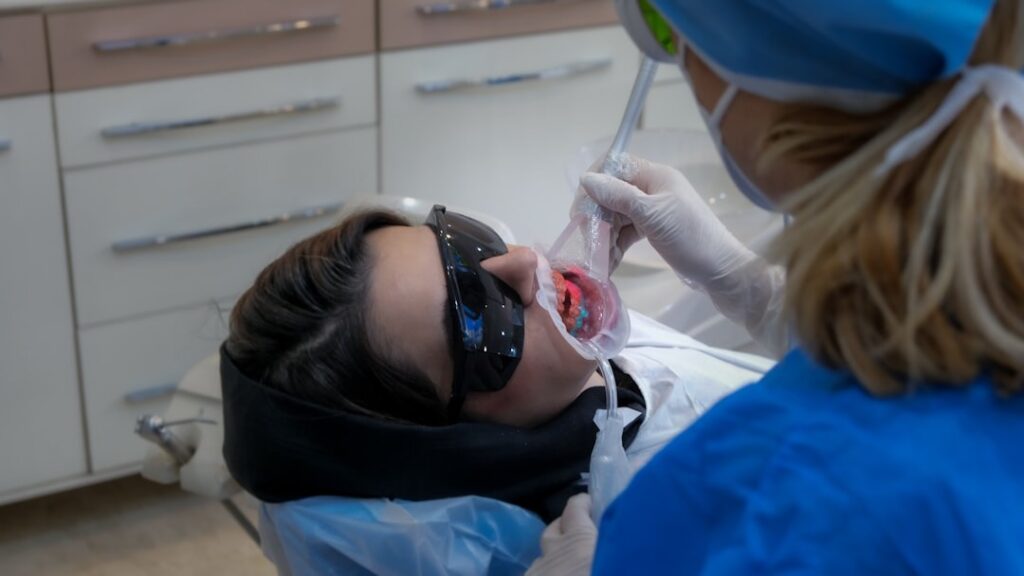
The gum line plays a significant role in smile design. Dentists assess the symmetry and contour of the gums, ensuring they frame the teeth attractively. Excessive gum display, known as a “gummy smile,” can be corrected through gum contouring procedures to achieve a balanced look.
Evaluating Gum Health
Healthy gums are foundational to a beautiful smile. Dentists assess gum health, checking for signs of disease or inflammation that could impact the appearance and longevity of the smile. Addressing gum health is often a priority in smile design.
Contouring Techniques
Gum contouring techniques involve reshaping the gum line to improve symmetry and balance. Procedures may include laser treatments or surgical methods, depending on the extent of correction needed. These techniques create a more aesthetically pleasing gum-to-tooth ratio.
Enhancing Gum Symmetry
Enhancing gum symmetry involves creating a uniform appearance across the gum line. Dentists work to ensure that gums frame each tooth consistently, contributing to the overall symmetry of the smile. This attention to detail results in a more harmonious and attractive appearance.
6. Lip Position and Dynamics
The position and movement of the lips when smiling are vital considerations. Dentists evaluate how the lips frame the teeth and gums, ensuring that the smile appears natural and appealing. Adjustments may be made to enhance lip symmetry and dynamics.
Analyzing Lip Movement
Dentists analyze lip movement to understand how the smile is revealed during different expressions. This analysis helps identify any imbalances or asymmetries that may detract from the smile’s appeal. Understanding lip dynamics is crucial for creating a natural-looking smile.
Enhancing Lip Symmetry
Enhancing lip symmetry involves ensuring that both sides of the mouth move cohesively. Dentists may recommend treatments to improve symmetry, such as fillers or other cosmetic procedures. These enhancements contribute to a more balanced and attractive smile.
Integrating Lip and Smile Design
Integrating lip dynamics into smile design ensures that the final result is cohesive and natural. Dentists consider how lips interact with teeth and gums, making adjustments as needed to create a seamless appearance. This holistic approach enhances the overall aesthetic of the smile.
7. Oral Health and Functionality
While aesthetics are crucial, oral health and functionality are equally important in smile design. Dentists ensure that any cosmetic procedures enhance not only the appearance but also the function of the teeth and mouth. This includes addressing issues such as bite alignment and overall oral hygiene.
Prioritizing Oral Health
Oral health is prioritized in every step of smile design. Dentists conduct thorough evaluations to ensure that underlying dental issues are addressed before proceeding with cosmetic treatments. This approach ensures that the smile is not only beautiful but also healthy.
Addressing Bite Alignment
Bite alignment is a critical aspect of oral functionality. Dentists evaluate the bite to identify any issues that could impact the efficiency and comfort of chewing. Correcting bite alignment often involves orthodontic treatments or restorative procedures.
Promoting Long-Term Oral Hygiene
Promoting long-term oral hygiene is essential for maintaining the results of smile design. Dentists provide patients with guidelines for effective oral care, including brushing, flossing, and regular dental visits. Consistent oral hygiene practices support the longevity and health of the smile.
The Role of Cosmetic Dentistry in Smile Design
Cosmetic dentistry encompasses a range of procedures and treatments that contribute to smile design. Choosing the Best Smile Designing Treatment in Manikonda allows patients to benefit from advanced cosmetic techniques tailored to their facial features and dental needs. At the Best Dental Clinic in Manikonda, these treatments are carefully planned to enhance both the appearance and function of the smile. Let’s explore some of the most common cosmetic dentistry options used to achieve the perfect smile.
Teeth Whitening
Teeth whitening is a popular cosmetic procedure that enhances the brightness of teeth. It is a simple and effective way to improve the overall appearance of a smile. Professional teeth whitening treatments can significantly lighten tooth color, providing a dazzling smile.
Professional Whitening Options
Professional whitening options offer reliable and safe methods to achieve a brighter smile. Dentists provide treatments that are tailored to individual needs, ensuring optimal results with minimal sensitivity. These professional options are superior to over-the-counter products in both effectiveness and safety.
Maintaining Whiteness
Maintaining the whiteness achieved through professional treatments requires ongoing care. Dentists often provide patients with tips and products to help preserve the brightness of their teeth. Regular touch-ups may also be recommended to maintain the desired level of whiteness.
Addressing Discoloration Causes
Understanding the causes of discoloration is crucial for effective whitening. Dentists assess lifestyle factors, such as diet and smoking, that may contribute to staining. By addressing these causes, patients can enjoy longer-lasting results from their whitening treatments.
Dental Veneers
Dental veneers are thin shells made of porcelain or composite resin that are bonded to the front surface of teeth. They are used to address issues such as discoloration, chips, or gaps, creating a flawless appearance. Veneers are customized to match the natural color and shape of teeth, ensuring a seamless look.
Customizing Veneers
Customization is key to achieving natural-looking veneers. Dentists work closely with patients to select the ideal shade, shape, and size for each veneer. This personalized approach ensures that veneers blend seamlessly with natural teeth, enhancing the overall smile.
Veneer Application Process
The application process for veneers involves several steps, including tooth preparation and bonding. Dentists carefully prepare the teeth to ensure a secure fit, then bond the veneers using advanced techniques. The result is a durable and aesthetically pleasing enhancement to the smile.
Longevity and Care
Veneers are designed to be durable, but they require proper care to maintain their appearance and function. Dentists provide guidance on how to care for veneers, including recommendations for oral hygiene and avoiding habits that could damage them. With proper care, veneers can last for many years.
Orthodontic Treatments
Orthodontic treatments, such as braces or clear aligners, are used to correct tooth alignment and spacing issues. These treatments help achieve a straight, even smile, enhancing both aesthetics and oral health.
Braces vs. Clear Aligners
Choosing between braces and clear aligners involves considering various factors, including aesthetic preferences and lifestyle. Braces offer comprehensive correction, while clear aligners provide a discreet option for those concerned about appearance. Dentists help patients weigh these options to make an informed decision.
Duration of Treatment
The duration of orthodontic treatment varies based on the complexity of the alignment issues. Dentists provide estimates and timelines to help patients understand what to expect. Regular check-ups and adjustments are essential for achieving the desired results within the projected timeframe.
Post-Treatment Maintenance
Post-treatment maintenance is crucial for preserving the results of orthodontic treatments. Dentists recommend wearing retainers and attending follow-up appointments to ensure teeth remain aligned. Consistent maintenance helps prevent future misalignment and supports long-term oral health.
Gum Contouring
Gum contouring is a procedure that reshapes the gum line to improve the symmetry and balance of the smile. It is often used to address a gummy smile or uneven gum lines, creating a more attractive appearance.
Techniques for Contouring
Gum contouring techniques vary, including laser treatments and surgical methods. Dentists choose the most appropriate technique based on the individual’s needs and the extent of correction required. These procedures are designed to be minimally invasive, with quick recovery times.
Benefits of Contouring
The benefits of gum contouring extend beyond aesthetics. By improving gum symmetry, contouring can enhance oral hygiene by reducing areas where plaque can accumulate. The procedure also boosts confidence by creating a more balanced and appealing smile.
Recovery and Aftercare
Recovery from gum contouring is typically swift, with most patients experiencing minimal discomfort. Dentists provide aftercare instructions to support healing and ensure optimal results. Following these guidelines helps patients achieve the best possible outcome from their contouring procedure.
Dental Implants and Crowns
Dental implants and crowns are used to replace missing or damaged teeth. Implants provide a permanent solution that mimics the appearance and function of natural teeth, while crowns cover and protect damaged teeth, restoring their shape and appearance.
Implant Procedures
The implant procedure involves several stages, including the placement of a titanium post into the jawbone. This post acts as an artificial root, providing stability for the crown. Dentists ensure that implants are securely placed and integrated into the jaw for a natural and durable solution.
Benefits of Crowns
Crowns offer both aesthetic and functional benefits, protecting damaged teeth while restoring their appearance. Dentists customize crowns to match the color and shape of natural teeth, ensuring a seamless integration into the smile. Crowns also help maintain the structural integrity of the tooth.
Caring for Implants and Crowns
Proper care is essential for the longevity of implants and crowns. Dentists provide patients with guidelines for maintaining oral hygiene and avoiding habits that could damage these restorations. Regular dental visits are crucial for monitoring the condition of implants and crowns.
Conclusion: Achieving the Perfect Smile
Smile design is a meticulous process that involves a combination of art and science. By considering factors such as facial aesthetics, tooth color, alignment, and gum symmetry, cosmetic dentists develop personalized treatment plans that enhance both the appearance and functionality of a smile. Opting for the Best Smile Designing Treatment in Manikonda ensures that every aspect of your smile is carefully evaluated and refined by experienced professionals.
Whether through teeth whitening, veneers, orthodontics, or other cosmetic procedures, achieving the perfect smile is well within reach when guided by the Best Dental Doctor in Manikonda. With the expertise of cosmetic dentistry, you can enjoy a beautiful, confident smile that truly reflects your personality and lights up every room.
The Art of Personalization
Personalization is at the heart of achieving the perfect smile. Dentists tailor treatments to each individual’s unique facial features and dental needs, ensuring that the final result complements their natural beauty. This personalized approach is essential for creating a smile that feels authentic and enhances confidence.
Balancing Science and Aesthetics
The science behind smile design ensures that aesthetic improvements do not compromise oral health. Dentists employ advanced techniques and technologies to achieve a balance between beauty and functionality. This scientific rigor supports the longevity and health of the smile.
Embracing the Journey
Achieving the perfect smile is a journey that involves collaboration between the patient and dentist. Each step, from consultation to treatment, is an opportunity to enhance both appearance and well-being. Embracing this journey can lead to transformative results, offering a newfound sense of confidence and joy.